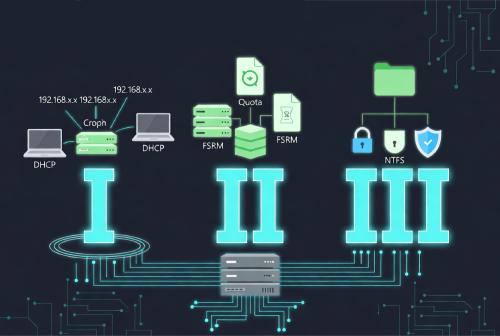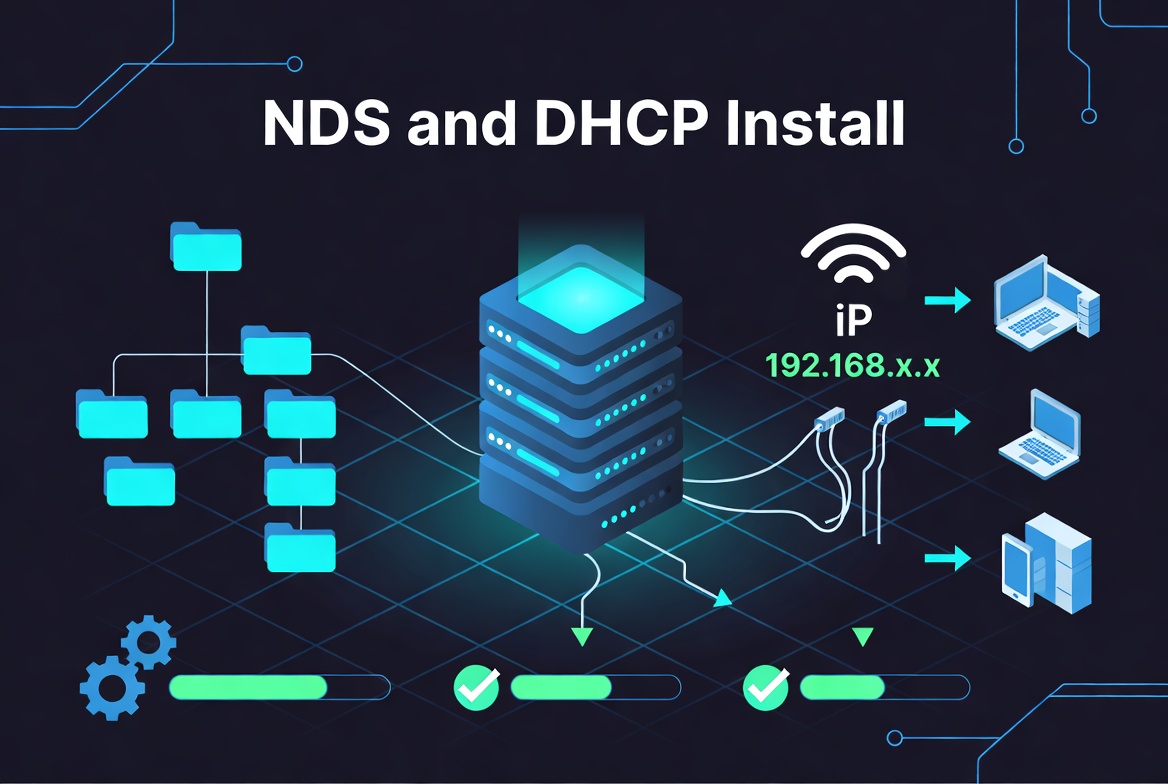







This program combines cybersecurity with system and network administration, covering security best practices, networking, operating systems (Windows and Linux), hardware, and programming. Students learn through hands-on labs and simulations informed by the cybersecurity community, and complete industry-aligned projects and certifications to prepare for immediate workforce entry.
- •
Daily monitor and control pipeline and compression equipment conditions via PLC and/or SCADA systems and manually inspect and maintain specified operating parameters across 25+ compressor stations. - •
Utilized FLIR GF320 infrared camera to identify and repair station leaks — applied thermal imaging to detect scavenger emission anomalies. - •
Built and maintained equipment-specific LOTO (lockout/tagout) procedures using Brady software for 25+ stations — structured, documented access control for critical infrastructure. - •
Served as Location Environmental Representative (LER): coordinated waste management, sampling, waste characterization, and periodic inspections — structured data collection and compliance reporting. - •
Performed Pre-Startup Safety Reviews (PSSR) and Management of Change (MOC) reviews prior to system modifications — a systematic change management process. - •
Conducted daily, monthly, quarterly, and annual inspections; identified, isolated, and resolved partial/full hydrate freezes and other system hazards (Process Hazard Analysis). - •
Identified and reported all safety and environmental hazards; took immediate corrective action — reactive incident response and root cause analysis in a regulated environment. - •
Developed and regularly updated GoCanvas digital workflow applications to streamline operations reporting. - •
Trained new operators at assigned compressor stations; maintained supply/tool inventory. - •
Managed LOTO, P&IDs, permitting, commissioning, and decommissioning for equipment changes. - •
Tracked and closed out Maximo work orders.